Expert Langley Artificial Grass Installation for Residential Landscapes
Transform Your Outdoors with Professional Artificial Grass Installation Solutions
Modernizing outdoor spaces with synthetic turf has become a practical choice for many homeowners. This solution gives a lush, verdant landscape without the perpetual demands of natural grass. The setup procedure is easy, yet grasping the nuances can make a substantial difference. Weighing the benefits and considerations of this option reveals much more than mere aesthetics. What elements should one consider before making such a change?
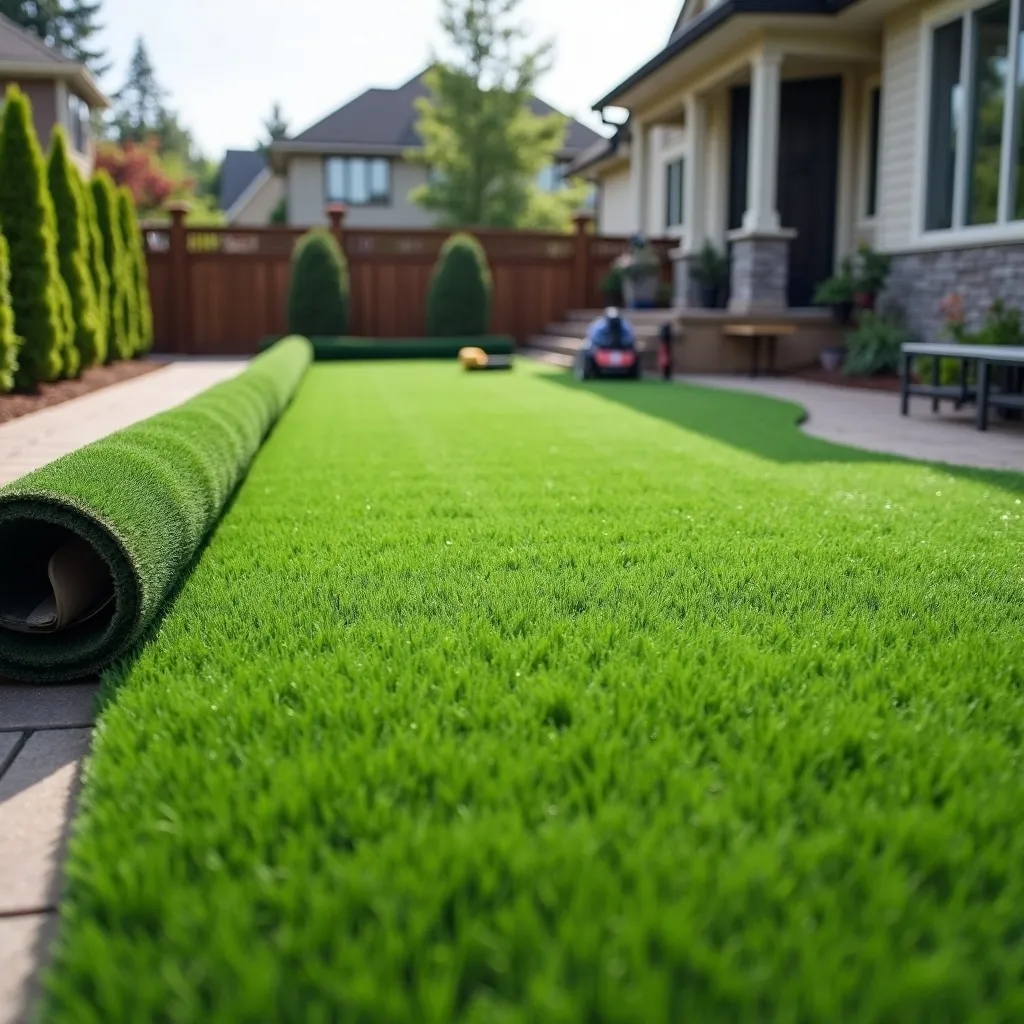
Why You Ought to Swap Your Lawn With Artificial Grass
Many domicile owners are increasingly opting to replace their natural lawns with artificial grass due to its countless advantages. One of the noteworthy benefits is the significant reduction in maintenance time and costs. Unlike natural grass, artificial turf does not need regular mowing, watering, or fertilizing, allowing homeowners to save on both labor and means. Additionally, artificial grass remains lush and green year-round, delivering a reliably appealing aesthetic regardless of weather conditions.
Moreover, fake turf is green-minded, as it prevents the necessity for harmful pesticides and herbicides. It also conserves water consumption, a important concern in many regions facing drought. The robustness of artificial grass guarantees that it can withstand heavy foot traffic, making it ideal for families with children and pets. Ultimately, the decision to install artificial grass can produce a more sustainable, beautiful, and manageable outdoor space.
What to Expect During Installation?
During the installation of synthetic turf, homeowners can anticipate a streamlined and effective process that converts their yard. Initially, the installation team performs a comprehensive evaluation of relevant article the space, determining size and identifying any water problems. Following this, they prepare the ground by removing existing grass and debris, ensuring a smooth base for the fresh lawn.
Following this, a foundation of aggregate gravel is set to allow proper drainage. The crew then installs a anti-weed membrane to prevent undesirable growth below the grass. After the base is prepared, the synthetic lawn is laid and cut to fit the marked area, delivering uniform edges.
In conclusion, the grass is held in place with stakes or adhesive, and cushioning materials could be applied for strength and natural appearance. Homeowners can expect to see their refreshed outdoor area prepared for activity within a short duration, often just a day or two.
Picking the Finest Artificial Grass for Your Lifestyle
When selecting synthetic turf, grasping alignment with your lifestyle is vital. Considerations including usage frequency, owning pets, and design preferences matter greatly to choosing the correct choice. Moreover, care requirements can vary considerably, determining ongoing satisfaction and upkeep.
Living Harmony Factors
Determining the ideal artificial grass requires examining various lifestyle compatibility aspects that can substantially impact its performance and fit across different spaces. For families owning children or pets, strength and flexibility are vital, guaranteeing the grass can resist intense activity and recreation. Also, climate acts as an essential element; areas experiencing severe weather might require UV-resistant materials to prevent color loss. The planned purpose furthermore counts—be it for play areas, aesthetic garden design, or sports use, various grass options deliver distinct advantages. Furthermore, design preferences must complement the general style of the exterior area, ensuring a unified appearance. Lastly, local ordinances or community restrictions might impose constraints, making it necessary to recognize these factors before finalizing your decision.
Regular Maintenance Requirements Description
Maintenance needs play a vital role in choosing the best artificial grass for personal life styles. Different types of artificial grass possess varying upkeep requirements, which can influence a homeowner's choice. For those with pets or children, selecting a product that is simple to clean and resistant to stains is crucial. Additionally, some varieties may need periodic brushing and infill replenishment to preserve their appearance and function. Conversely, low-maintenance options are ideal for busy individuals who prefer a more hands-off approach. Understanding these maintenance factors helps homeowners to pick artificial grass that not only complements their outdoor aesthetics but also matches their lifestyle needs, ensuring lasting satisfaction and enjoyment.
Essential Instructions for Putting In Artificial Grass
Setting up artificial grass entails numerous essential steps to ensure a positive result. Essential elements encompass proper ground preparation methods, implementing proper drainage solutions, and executing the grass installation process carefully. Each step proves important in achieving a long-lasting and visually attractive result.
Site Preparation Techniques
Effective site preparation is essential for a proper artificial grass installation. First, the existing grass and debris must be removed, ensuring a clean base. Next, the ground should be evened, addressing any low spots or high spots to create a smooth surface. Compaction of the soil is vital to prevent future settling, and this can be achieved using a plate compactor. Once the area is level and compacted, a weed barrier fabric should be laid down to minimize future growth. Finally, a coat of crushed stone or gravel should be spread to improve drainage and provide stability. Each of these steps contributes to a strong foundation, ensuring the longevity and performance of the artificial grass.
Correct Drainage Solutions
After putting down a strong base through suitable site preparation, consideration shifts to implementing effective drainage approaches for artificial grass. Maintaining adequate drainage is vital to prevent water pooling, which can deteriorate the grass and lead to disagreeable odors. The installation process typically requires incorporating a drainage layer, often formed of crushed stone or gravel, below the artificial turf. This layer aids water movement away from the surface, enabling for immediate absorption and curtailing the risk of pooling. Moreover, purposefully positioned drainage channels can strengthen water flow, directing excess moisture away from high-traffic areas. It is vital to assess the landscape's natural slope to optimize drainage output, ultimately preserving the integrity and appearance of the artificial grass.
Grass Installation Process
The turf laying procedure progresses through a series of exact steps that guarantee a successful outcome. Initially, the area is assessed and marked for precise dimensions. Following this, existing vegetation and debris are removed, guaranteeing a pristine surface. Next, a compacted base layer of aggregate material is installed to enhance drainage. A weed barrier is then applied to stop unwanted growth.
Once the base is ready, the artificial grass is laid out and cut to fit the marked area. It is secured with adhesive or stakes to maintain stability. Finally, filling material is incorporated to enhance durability and mimic natural grass. This systematic approach yields a beautifully transformed outdoor space.
How to Maintain Your Artificial Grass Looking Great
Keeping the luminous appearance of artificial grass requires ongoing maintenance and care. Periodic cleaning is critical; a straightforward water rinse can remove debris and dust. For difficult stains, a blend of gentle cleanser and water is workable. Additionally, using a broom or firm brush can support keeping the fibers raised and appearing vibrant.
Inspecting regularly for foreign objects, such as leaves or branches, stops accumulation that can cause discoloration. To keep optimal water drainage, make certain that any accumulated water is promptly removed. During times of frequent activity, it may be helpful to apply infill to sustain the grass's structure and appearance.
Finally, protecting artificial grass from sharp objects prevents damage. By adhering to these straightforward maintenance tips, property owners can guarantee their artificial lawn stays an beautiful and practical yard for years to come.
Real-Life Changes
Artificial grass enhances the visual appeal of outdoor spaces and modifies them into usable areas for families and pets. Countless homeowners have documented striking transformations after putting in artificial grass. In one case, a family with a small backyard swapped their patchy lawn with vibrant synthetic turf. This change created a safe, green play area for their children and pets, substantially raising outdoor usage.
Another triumph involves a public park that dealt with operational expenses and water restrictions. By selecting artificial grass, the park not only diminished its environmental footprint but also furnished a lush, inviting space for social events and recreation, boosting increased community engagement.
Additionally, a commercial property enhanced its appeal by installing artificial grass in its exterior relaxation space, attracting more visitors. These stories illustrate how artificial grass can dramatically enhance outdoor environments, combining beauty with practicality.
Often Inquired Questions
Is Synthetic Grass Safe for Domestic animals and Children?
Artificial grass is commonly safe for children and pets. It is free from toxins, easy to clean, and free from harmful chemicals. However, making sure installation and maintenance are appropriate is critical for maximum safety and comfort.
What Is The Life expectancy Of Artificial Grass?
Artificial grass generally lasts between 15 to 25 years, based on factors such as quality, attention, and external elements. Proper care can lengthen its lifespan, securing a sturdy and attractive outdoor surface for various activities.
Can I Install Artificial Grass Myself?
Yes, people can put in artificial grass on their own. However, it demands careful planning, suitable equipment, and a solid grasp of the installation process to ensure a long-lasting and effective outcome that satisfies aesthetic and functional expectations.
What Price Should You Expect for Artificial Grass Placement?
The expense for synthetic grass fitting usually spans from $5 to $20 per square foot, affected by factors like quality of materials used, labor requirements, and site conditions. Householders should request different quotes for correct budgeting.
Does Synthetic Grass Require Adequate Drainage?
Yes, artificial grass demands proper water drainage to stop water buildup. A carefully planned drainage structure allows for optimal water flow, maintaining the longevity of the lawn and maintaining its aesthetic and practical qualities over time.